


You planned this trip to the tiniest detail. You watched your spending for weeks. You even had the forethought to pack snacks to avoid airport prices. Then, something goes wrong. A bad slip by the hotel pool. A delay that turns into an overnight stay. Suddenly, your “fun money” starts covering things no one expected.
That part stings. You worked hard for that budget. Now, you’re in a new place, trying to stay calm. Meanwhile, costs stack up. But you can steady things with some smart money-conscious moves. Here are six tips for managing money after a costly emergency on a trip.
Prioritize Urgent Expenses
Emergencies scramble priorities fast. Everything feels like it needs attention. That’s how budgets start to leak. So, sit and compartmentalize. Separate what truly matters. Urgent expenses are the ones that keep you safe and moving. Think medical care if you’re hurt. Lodging if your stay is unexpectedly extended. Food if you’re stuck somewhere overnight. Other costs, like souvenirs or hotel upgrades, can wait.
Tackle the urgent stuff first. Keep a running note of what needs to be paid immediately. Pay those before anything else. Skipping nonessential spending gives your budget wiggle room. Your money goes where it counts.
Tap Into Your Emergency Fund
An emergency fund exists for days like this. Not for a sale. Not for a splurge. But for the exact moment when plans fall apart, and you need a soft landing. Many travelers hesitate to use it. They worry about draining it. But now’s the right time to lean on it.
Don’t pull everything out at once. Cover the essentials first. Pay hospital fees. Extra nights at a hotel. Flights you need to rebook. If your fund sits in a separate account, transfer only what you need for the next few days. That keeps you from overspending. Once you’re home, you can rebuild it slowly. For now, it does its job. It keeps you steady when things get shaky.
Contact Insurance Providers ASAP
As soon as you’re able, contact your insurance provider. Tell them about your situation. The sooner you call, the clearer your options become. Insurance protects your travel investment beyond lost luggage. You paid for this trip. You deserve to recover what you can.
On the call, ask specific questions. What can you claim? What documents do they need? Travel insurance covers many kinds of disruptions. That can include trip delays. Emergency care. Cancellations tied to accidents. Save emails. Take photos of receipts. Keep a simple folder on your phone. The more organized you are, the smoother the claims process goes.
Use Credit Cards Wisely
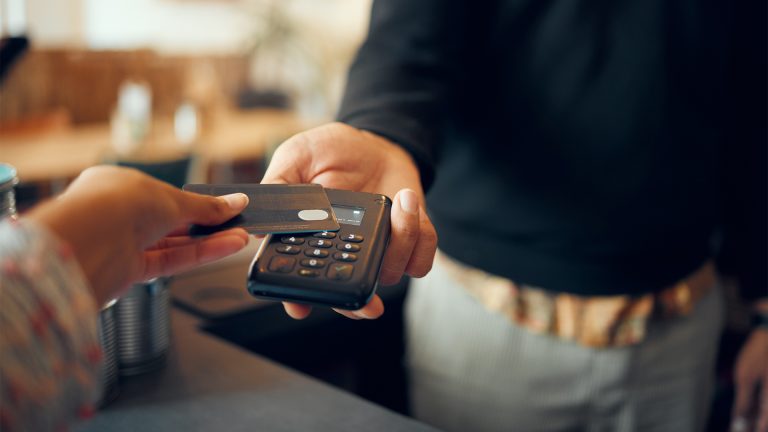
Cards can help when you’re in a pinch. But they can also make things worse if you swipe without thinking. The key is to access the right credit card for the situation. Some cards offer travel protections. Others give lower interest rates. Some allow installment plans for large charges. Those details matter for sudden costs.
Review your cards. Pick the one with the best terms. Use it for necessary expenses only. Keep track of each charge right after you make it. Avoid cash advances. Those often come with high fees. If your card includes travel perks, you might qualify for reimbursements or support services. A credit card also spreads out the impact. That way, your savings don’t take the full hit at once.
Look Into Compensation if Someone Else is at Fault
Some emergencies don’t just happen. Sometimes, it’s because someone didn’t do their job. A hotel failed to maintain a safe space. A tour operator skipped basic precautions. When that happens, expenses shouldn’t fall fully on you. It’s worth seeing if compensation applies.
Say you’re in a resort. You slipped by the pool because there were no warning signs on the floor. That’s not just bad luck. It could be negligence. In cases like this, call a lawyer and see what to do after a poolside slip and fall. Take photos right away. Get an incident report. Seek medical care and keep records. Then, check if a lawyer can help you file a claim.
If you recover damages, that can offset medical bills. It also softens other costs tied to the incident. It makes the financial setback more manageable.
Replenish Gradually
Once you’re home, focus your finances on recovery. Not the rushed kind. The steady kind that sticks. After an emergency on a trip, your savings may look thinner. That’s okay. Just rebuild slowly.
Adjust your budget for a few weeks. Pull back on non-essentials. Set a fixed amount to return to your savings each week. Direct any refunds or reimbursements straight back into your fund. In time, your balance will grow again.
Conclusion
Dealing with an emergency while traveling can throw everything off. Your plans change. Your budget takes a hit. It helps to stay focused on the basics, like the tips above. Cover urgent costs first. Check what your insurance can help with. If the situation involves someone else’s negligence, consider legal options for obtaining just compensation.
When you get home, give your finances a quick reset. Start rebuilding what you used. You’ll recover before you know it. And next time you travel, you’ll pack a little extra patience and a lot more backup cash.