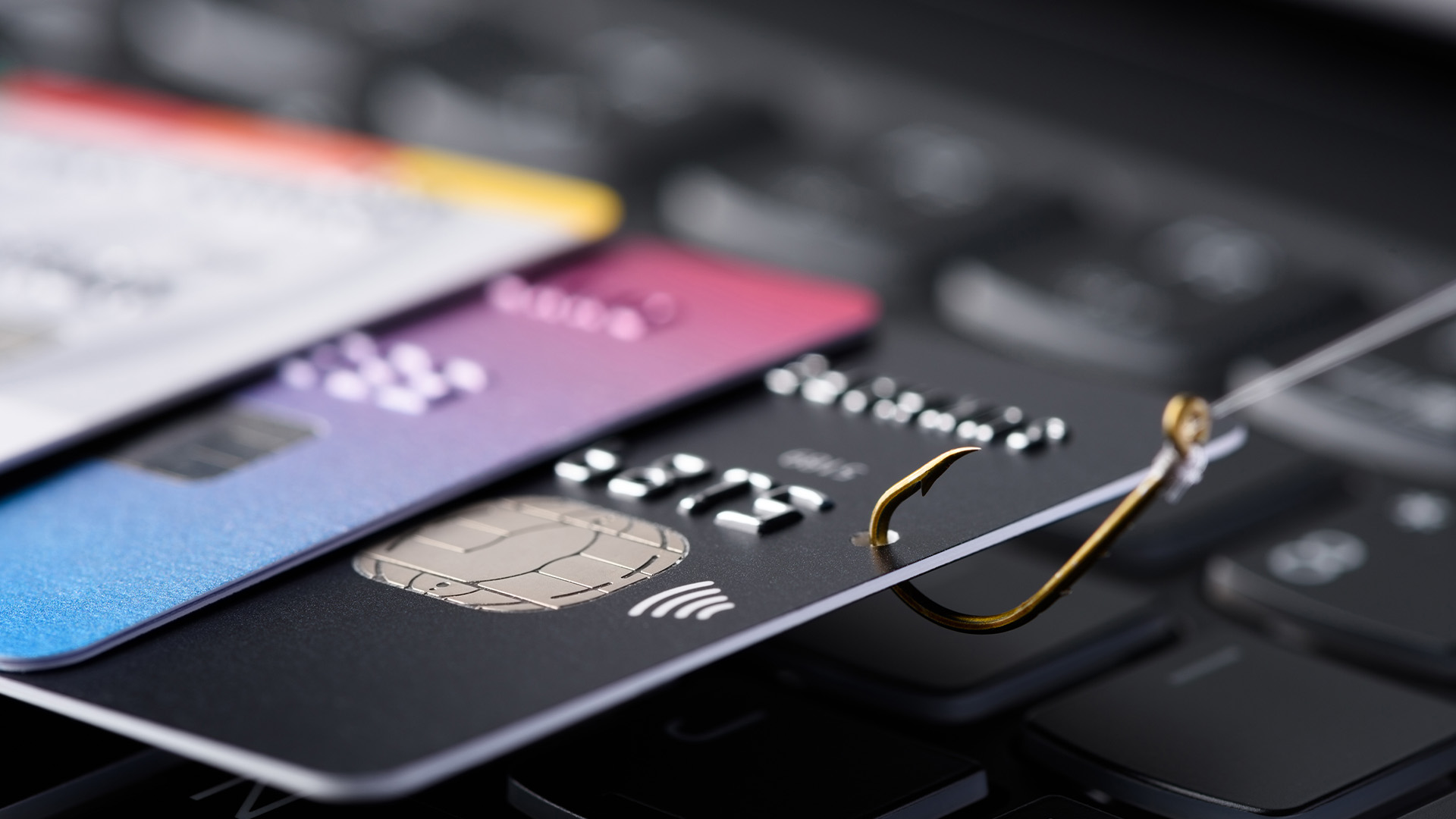




People seek financial education because they want more financial stability. While some are simply looking to build wealth or a nest egg for their children, others are working all hours just to make ends meet. And learning how to trade, whether stocks and shares or on the crypto markets, seems like a sensible place to start. But scammers know the draw of financial freedom, and they play on it. Seducing people with false hope and false information in order to take what little money they have. Being able to recognise that intent and separate the scammers from the genuine education providers is the first step towards financial security.
What scams should you be looking out for?
Financial scams take a number of forms, and they’re so prevalent that my business bans around 10 scammers per day. There are brokerage scams, education scams, and the promise of get-rich-quick products, as well as basic misinformation. The problem is, that even when the intent isn’t directly to defraud, it’s too easy for influencers to give the wrong advice simply to secure clicks, so the result is always innocent people losing money. That’s why social media is one of the worst places to turn if you need financial support.
Why you’re more likely to find financial scams online
1. Virality
Social media algorithms are powered by “virality”. Whether it’s Facebook or TikTok, the content you are served is never checked for accuracy, but delivered based upon user engagement. Which, unfortunately, means that the more outrageous the claim, the higher the rewards from the algorithm, because sound financial advice simply isn’t entertaining.
2. Exposure
Virality inevitably means greater exposure. And the more familiar you become with something, the more likely you are to believe it and trust it. So, when a platform’s algorithm keeps serving you the same content, the more familiar and appealing it becomes.
3. Regulation
You rarely find qualified, professional financial advisors touting their knowledge on social media because they are licensed and governed by a code of ethics. They can’t give out “advice” because the very term itself is regulated. “Finfluencers” don’t have to live by those rules. They can say what they like and get away with it, without any major repercussions.
How can you identify scams and bad advice
The very best thing you can do to protect yourself from scams is to take things slowly. Start by saving your money and only begin investing incrementally once you have a buffer to work with. In a recent survey of 5,000 people, there seemed to be a clear correlation between the amount people saved and their likelihood of falling for scams. People who saved a larger percentage of their income every month were less likely to fall for bad financial advice, probably because they were less desperate to improve their circumstances. When you have a little money saved, you have the breathing space you need to make better decisions.
Then before you invest, you need to verify your source of advice. The 3x verification principle recommends that you get three areas of confirmation before you buy a course online, or follow someone’s advice. So, check if the company is registered and regulated – if they’re not governed by a code of ethics, don’t trust them. Also check their online reputation by searching Trustpilot and Reddit. If they have less than 500 verifiable reviews on a platform that can’t be paid for, it’s probably best to wait and watch, or find somewhere else to put your trust. Grok can be a great tool for conducting reputational searches. And also look for their history. A genuine education company will publish the backtested results of students, including the average student result. They’ll also allow you to download a spreadsheet of all the data entries submitted. Complete with screenshots, notes, and other information.
Plan your journey
You wouldn’t begin a university course or apprenticeship without an endpoint in mind. Your financial education should be no different. So, before you start any trading education or venture, you need to work out what you want from it, and understand how it’s going to take you to where you want to go. Financial growth rarely happens overnight, so you need to understand the process before you commit to it. If you enter something with the mindset that “this will be 3x harder than they say, and take 3x longer than they claim,” you’ll be better positioned to decide whether you really want it.
Trading scams are rife because there’s such an enormous market for them. Times are tough, the cost of living isn’t getting any lower, and the scammers can feel that stress. Don’t let them get the better of you. If you try to build your savings, take time to research, and verify every claim before taking action, you’ll have money in the bank and the breathing space to make the right choices. And remember, financial success very rarely comes overnight, so anyone who tells you otherwise is lying.
Zack van Niekerk is the co-founder and CEO of The Trading Cafe, an education company founded in 2022 with Peter Visser, focused on building systems that allow students to get real results in learning to trade the financial markets.