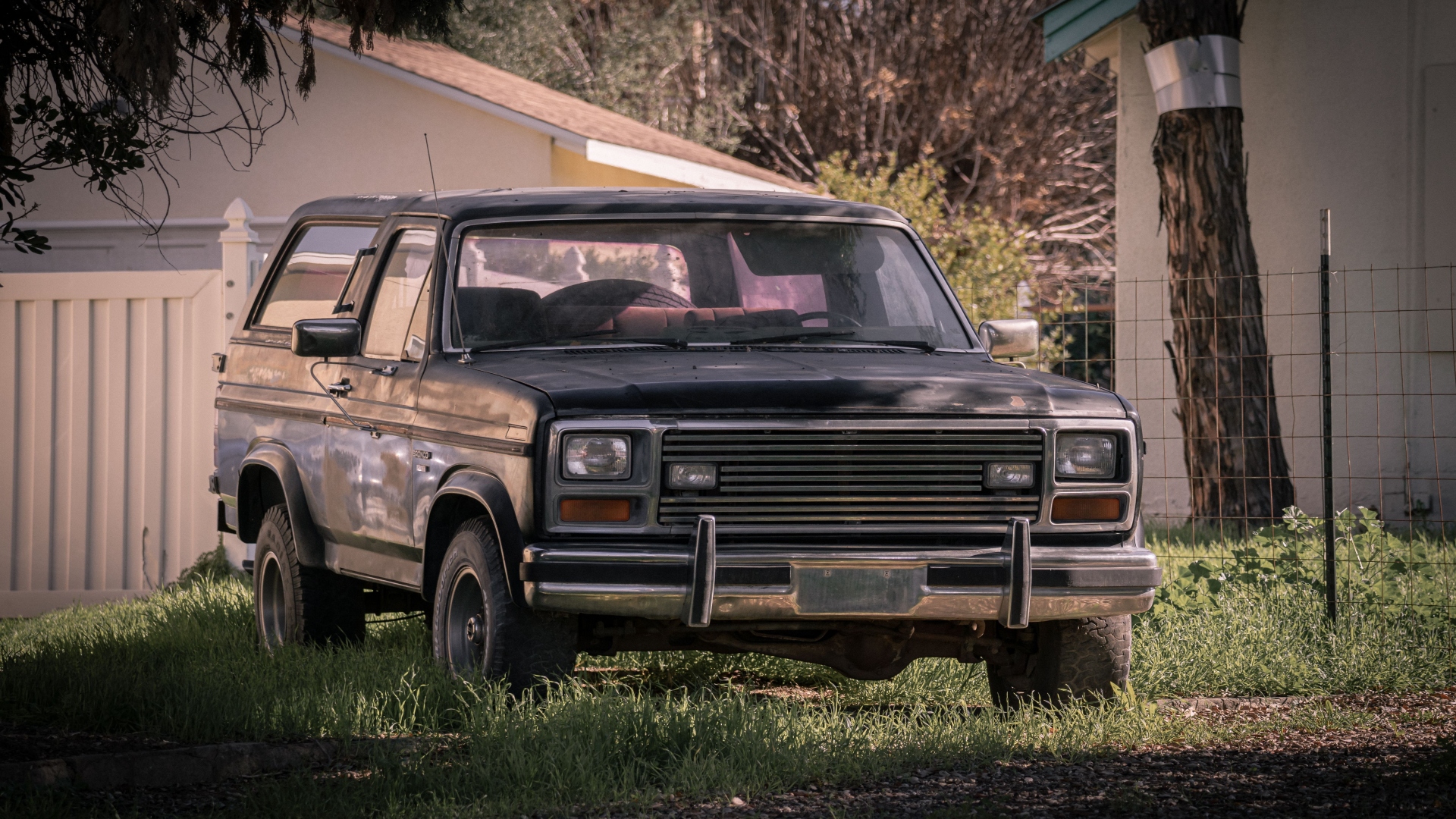


There comes a time when an old vehicle stops reducing expenses and begins to consume money instead. Even a paid-off vehicle can incur multiple expenses every year in repairs, fuel, downtime, and lost productivity. Fortunately, a company can avoid guessing when it is time to sell or replace an aging vehicle.
The important factor to take into account is the overall cost of ownership rather than just the cost of repairs. This article highlights the warning signs that indicate a company vehicle is not worth keeping any longer.
Don’t Let a Paid-Off Vehicle Fool You
The idea that you don’t have to worry about loan repayments is quite reassuring. However, when it comes to business vehicles, ‘paid-off’ does not equal free of costs.
The older car may still be subject to regular repairs and maintenance. It may consume more fuel, and may lead to relatively high insurance premiums. In addition, you will need to visit the mechanics from time to time.
If employees are required to use the vehicle to meet customers, deliver products, or finish the job, every breakdown comes with hidden costs. To find out the real cost of a paid-off vehicle, take a look at how much you have spent on it over the last year or two.
You should not stop at major repairs only. Include costs related to the operation of the car, such as repairs, maintenance, towing, parts replacements, and rental vehicles.
Consider the Vehicle’s Remaining Value
An old company vehicle isn’t necessarily worthless just because you no longer want it. If the vehicle is still functioning and is in good shape, you can sell or trade it in.
However, if the vehicle is damaged or no longer worth repairing, it may still have value as a junk or salvage vehicle. When estimating that remaining value, businesses can review junk car pricing information from Cash for Cars to understand how factors such as condition, age, make, model, location, and usable components can influence what an unwanted vehicle may be worth.
Pay Attention to Repair Patterns
Watch out for repair patterns. One expensive repair does not automatically mean the vehicle needs to be replaced. Cars and trucks may need expensive repairs regardless of how old they are. However, what you should really be concerned about is when expensive repairs become common.
Perhaps you replaced your transmission last year, and now your suspension is having issues, and your mechanic is warning you that the engine or electrical system may also need work soon. In situations like this, you are dealing with a number of repairs, not just one. The key to all of this is to keep track of your repair history and look for patterns that may indicate that costs are becoming progressively more expensive over time.
Remember That Downtime Costs Money
This is one of the easiest costs for businesses to overlook. Let’s take the example of a plumbing company that is using an old van to function. The van broke down on Monday and was out of action until Wednesday.
This means that the company has to deal with rescheduling customers, renting cars, paying for towing, and sending other employees to do the job. The bill for the repairs could be something like $1,000, but the actual cost is even greater. The same principle works for companies that rely on vehicles.
Consider Depreciation, but Don’t Obsess Over It
Depreciation can make it appealing to own an older vehicle since much of its value has been lost. However, low depreciation alone doesn’t turn an older vehicle into an excellent business asset.
Even if a vehicle has a low resale value, it may not necessarily be inexpensive to maintain because it may require constant repairs. Think about the overall situation. If you are paying thousands of dollars every year in repairs for a low-price vehicle, depreciation might not mean anything to you.
Look Beyond the Repair Bill
There is no specific age or number of miles that can determine whether or not a company should consider replacing its vehicles. Some older vehicles can still run for a long time without too much maintenance, while others become a burden long before you expect.
The only issue that business owners should consider here is whether or not the vehicle brings more value to the business than the costs that come with its maintenance. It is important to look at different aspects like repairs and maintenance, downtime and fuel issues, cost of insurance, and depreciation.