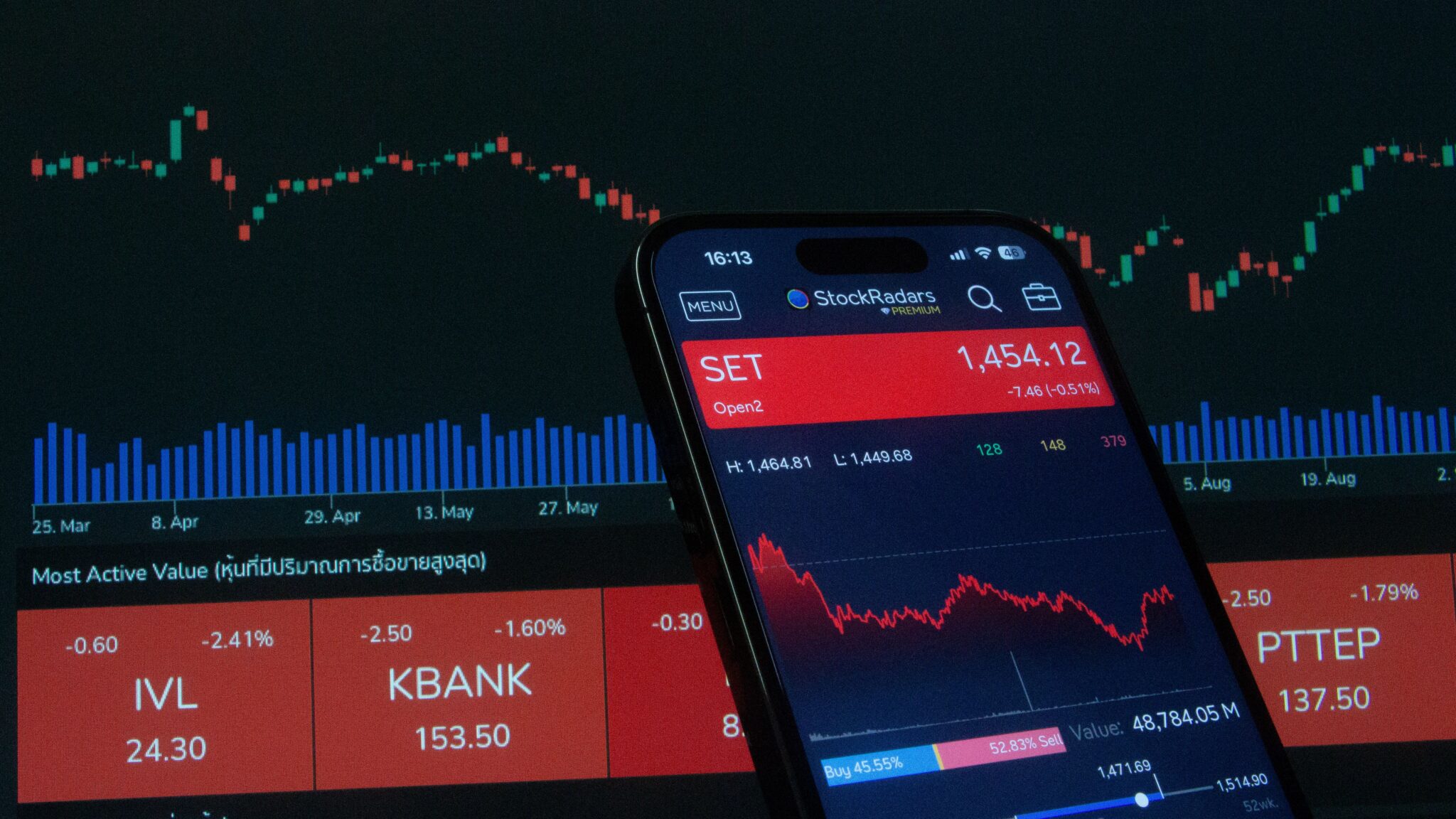


Market volatility is rarely a random event, as specific institutional triggers systematically strip liquidity and drive rapid repricing across major asset classes, and over time it evens out, with the S&P 500 averaging 0.66% to 1% movement on a given day. While ordinary trading sessions feature predictable, range-bound price action, volatile days are characterised by aggressive institutional order flow reacting to systemic catalysts. Understanding the primary drivers of this price expansion allows active traders to anticipate market acceleration rather than getting caught on the wrong side of a sudden order flow imbalance.
Scheduled Macroeconomic Catalysts Drive Market Repricing
The primary catalyst for sudden market volatility is the release of major economic data points that force institutional players to instantly revalue financial assets. High-impact announcements like CPI inflation prints, central bank interest rate decisions, and central bank speeches alter baseline expectations regarding monetary policy. When actual economic figures deviate from market consensus, algorithmic trading models execute massive volume within milliseconds, draining order book liquidity and pushing prices outside normal daily standard deviations.
Among scheduled economic releases, labor-market data can be an important source of market volatility. Traders closely watch the U.S. non-farm payroll (NFP) report because changes in employment conditions can influence expectations for the economy and monetary policy. Understanding how NFP affects trading can help explain why currencies, indices, and other financial markets may experience increased volatility and rapid price movements around the release.
When key macroeconomic numbers bypass consensus estimates, the resulting institutional repositioning can leave retail order books completely empty. This sudden drop in liquidity amplifies standard market moves into extreme price spikes.
Liquidity Exhaustion and Unscheduled News Events
While scheduled calendar releases allow traders to prepare, unexpected geopolitical developments or sudden corporate news events trigger unpredictable volatility spikes. Unscheduled announcements catch the market entirely off balance, causing market makers to temporarily pull their limit orders to prevent toxic flow execution. This rapid withdrawal of bids and offers creates wide bid-ask spreads, forcing aggressive market orders to fill at increasingly unfavorable prices.
Moreover, algorithmic execution strategies now operate universally in global markets. These automated systems are explicitly programmed to flatten open positions or scale down exposure instantly when volatility metrics spike above defined thresholds. This collective programmatic risk management compounds market movements, accelerating standard price discovery into aggressive momentum surges.
To quantify these sharp structural shifts in session movement, professional desks rely on systematic technical tools:
- Average True Range metrics track expanding daily price bounds across shifting market regimes
- Volatility Index calculations measure forward-looking option premium pricing and tail risk
- Standard deviation bands identify statistical price extremes relative to historical moving averages
When these volatility indicators signal expanding ranges, order execution becomes vastly more complex. Without strict position sizing, rapid slippage can severely impact portfolio balance.
Strategic Risk Principles for Volatile Sessions
Navigating high-velocity market environments requires a fundamental shift in risk execution rather than attempting to catch fast price spikes. Professional traders adapt to wide intraday ranges by reducing leverage and adjusting stop-loss placements to account for normal market noise. Expecting standard fill prices during major news events typically leads to severe execution slippage and unmanaged drawdown.
The most effective strategy during volatile sessions involves waiting for initial institutional order flow to settle before entering positions. Allowing the market to establish a clear post-announcement price equilibrium significantly reduces exposure to whipsaws and false breakout patterns.
Navigating High Volatility Trading Days
Successfully managing volatile sessions relies on recognising that market chaos is driven by institutional liquidity mechanics rather than random noise. By monitoring economic calendars, understanding liquidity dynamics, and deploying adaptive position sizing, traders can systematically isolate opportunity from operational risk. Check out more of our guides on trading and finance to help you make the right decisions with your own assets.